Course Objectives

What you'll set out to achieve

  • ✦Build a foundation across all 9 modules of the Level 1 program — from security fundamentals to AI & emerging tech
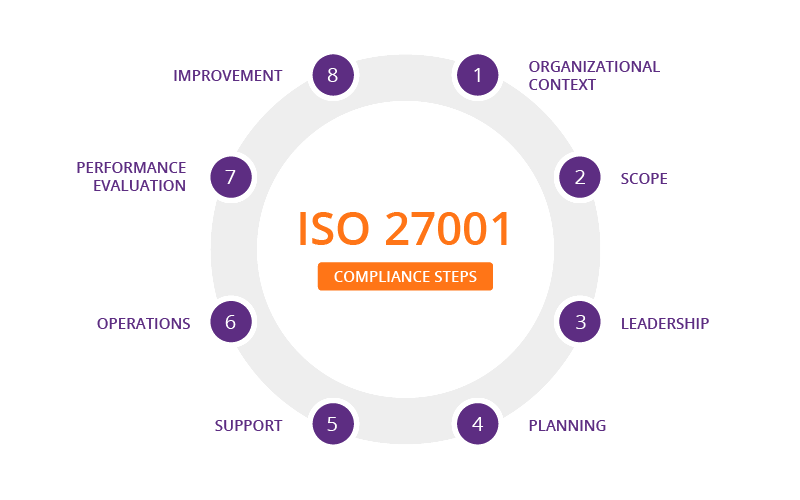
  • ✦Apply the OWASP Top 10 and industry frameworks — ISO 27001, PCI-DSS, OWASP MASVS — to real systems
  • ✦Gain hands-on experience in a safe, isolated lab environment with real tools
  • ✦Progress into one of 6 Level 2 specialisation tracks — GRC, AppSec, Cloud Security, SOC & IR, AI Security, or Infra Security
  • ✦Earn a Diploma in Cybersecurity and build a portfolio of CTF completions, threat models, and lab write-ups
Who This Is For

Target Audience

  • →Students & freshers starting with the Level 1 Foundational Program's 9 modules — no prior experience required
  • →Students & freshers working toward the Diploma in Cybersecurity
  • →Working professionals specialising in one of 6 Level 2 tracks — GRC, AppSec, Cloud Security, SOC & IR, AI Security, or Infra Security
  • →Developers who want to understand security from the attacker's perspective
Program Structure

Two levels, Six Specialisation tracks

Build the program that shapes people to practice security and use it to protect, innovate, and lead with confidence.

2
Levels
6
Tracks
100+
Classes
Protect
Goal
LEVEL 1

Foundational Program

9 modules covering the full security stack, with industry frameworks and hands-on labs. For students & freshers. Full details →

MODULE 1

Security Fundamentals

MODULE 2

Operating Systems & Networks

MODULE 3

Infrastructure & Cloud Security

MODULE 4

Application Security

MODULE 5

Identity & Access Management

MODULE 6

Cryptography & Data Protection

MODULE 7

Governance, Risk & Compliance (GRC)

MODULE 8

Security Operations & Incident Response

MODULE 9

AI & Emerging Tech

LEVEL 2

Advanced Specialization Tracks

6 deep-dive tracks in AppSec, Cloud, GRC, SOC, AI Security, and Infra Security. For working professionals. Full details →

TRACK 1

GRC Specialist

TRACK 2

Application Security Specialist

TRACK 3

Cloud Security Specialist

TRACK 4

SOC & IR Specialist

TRACK 5

AI Security Specialist

TRACK 6

Infra Security Specialist

DIPLOMA

Diploma in Cybersecurity

A capstone credential combining foundational and advanced coursework. For students & freshers. Full details →

Technologies Covered

Tools & Frameworks

Industry-standard tools used by real practitioners — so what you learn here transfers directly to the job.

Kali LinuxBurp SuiteOWASP ZAPWiresharkMetasploit (lab)NmapOWASP Juice ShopDefectDojoSemgrepBash/Python
Career Opportunities

Where this takes you

Graduates of this program are prepared for entry-level to mid-level roles including:

GRC SpecialistApplication Security SpecialistCloud Security SpecialistSOC & IR SpecialistAI Security SpecialistInfra Security Specialist
Ready to start?

Enroll in Cybersecurity

Weekend and weekday batches available. Trial classes offered. Speak to us to find the right start point for you.

Book a free trial class
FAQs

Common questions

Is this suitable for complete beginners?

Yes — the foundational program is designed for students and freshers with no prior security experience. We start from digital safety basics and build methodically.

What age group is the foundational program for?

The foundational track is designed for students and freshers with no prior security experience. The advanced specialisation tracks are aimed at working professionals and graduates.

What's the difference between the foundational and advanced tracks?

The foundational program (Level 1) covers the full security stack across 9 modules. The advanced specialisation tracks (Level 2) let you go deep in one of 6 domains — GRC, Application Security, Cloud Security, SOC & IR, AI Security, or Infra Security.

Do I need a powerful computer?

For most sessions, a standard laptop is sufficient. Our cyber lab provides dedicated Kali Linux stations for hands-on sessions.

Start your Cybersecurity journey today.

Lab-first, Project-driven, Combining real tools with a structured curriculum designed for learners, educators and professionals.